Inside, outside or both: how each waterproofing method actually works
Every method on this page works, for the right problem. The trick is matching the method to where the water comes from. Here they are side by side.
| Method | What it does | Best for | Limits |
|---|---|---|---|
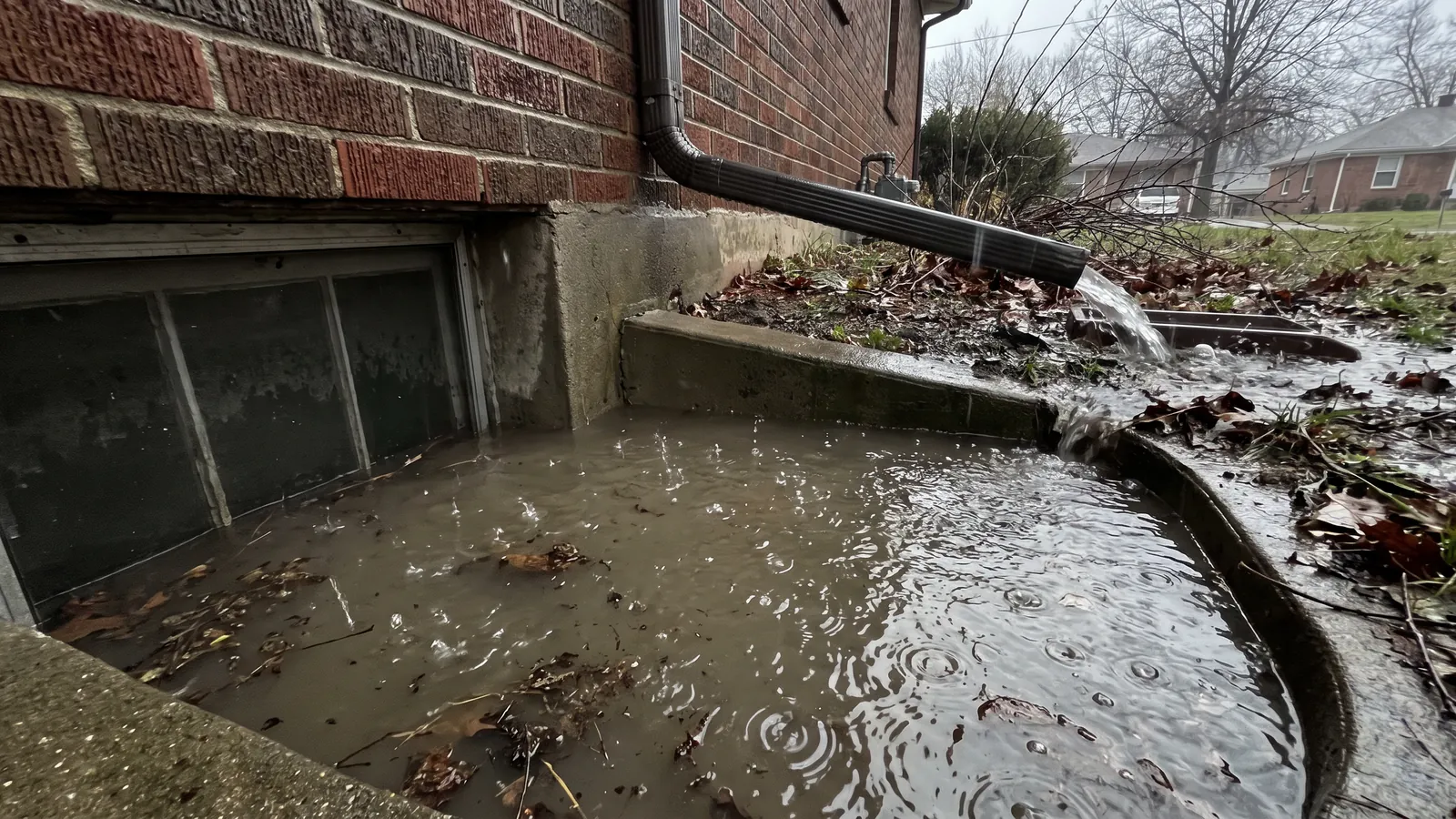
| Downspouts and grading | Keeps roof and surface water away from the wall | Every house, first | Doesn't stop groundwater |
| Crack injection | Seals a crack through the full wall thickness | One or two leaking cracks in poured walls | Not for block walls or general seepage |
| Interior perimeter drain | Collects water at the footing inside and sends it to a sump | Cove-joint seepage, most existing homes | Manages water rather than keeping it out of the wall |
| Exterior membrane and footing drain | Keeps water out of the wall and relieves pressure outside | One bad wall, finished basements, open access | Excavation; costlier per foot |
| Sump pump and backup | Moves collected water outside | Any drain system or high water under the slab | Needs power or a backup |
| Yard French drain | Intercepts water uphill of the house | Sloped lots, water running toward the house | Needs a lower outlet |
| Paint-on sealer | Coats the inside face of the wall | Light dampness on a dry wall | Fails under water pressure |
How to tell where your water comes from
At the floor edge, along several walls, after heavy rain: hydrostatic pressure at the cove joint; an interior drain is the usual fix. Through one crack: injection. Down a block wall, with efflorescence: water moving through the block; drainage inside or outside. At a window: the window well. In one corner only: start with the downspout above it. Up through the middle of the floor: high water under the slab; a sump, sometimes with under-slab drain lines.
Interior versus exterior
Exterior waterproofing stops water before it reaches the wall, which is the ideal. In practice, digging down eight feet along a finished house with decks, driveways and landscaping is expensive and disruptive, so most existing homes in the metro get interior drains, which handle the water once it's through. For a single problem wall, or a finished basement, exterior can win. Many good plans combine outside fixes, an interior drain on the walls that leak, and a sump with a battery backup.
Quick questions
Can I do waterproofing in stages?
Yes. Outside fixes first, then a partial interior drain on the worst wall, extended later if needed, is a common plan.
Does a dehumidifier waterproof a basement?
No. It controls humidity, which helps with musty air and condensation, but it doesn't stop water coming in.
Is waterproofing the same as foundation repair?
They overlap. Water causes much of the structural damage here, so many structural repairs include drainage, and some waterproofing jobs uncover structural issues.