Foundation repair questions, answered plainly
Licensing and insurance, timelines, piers, permits, leaks and selling a house. If yours isn't here, call and ask.
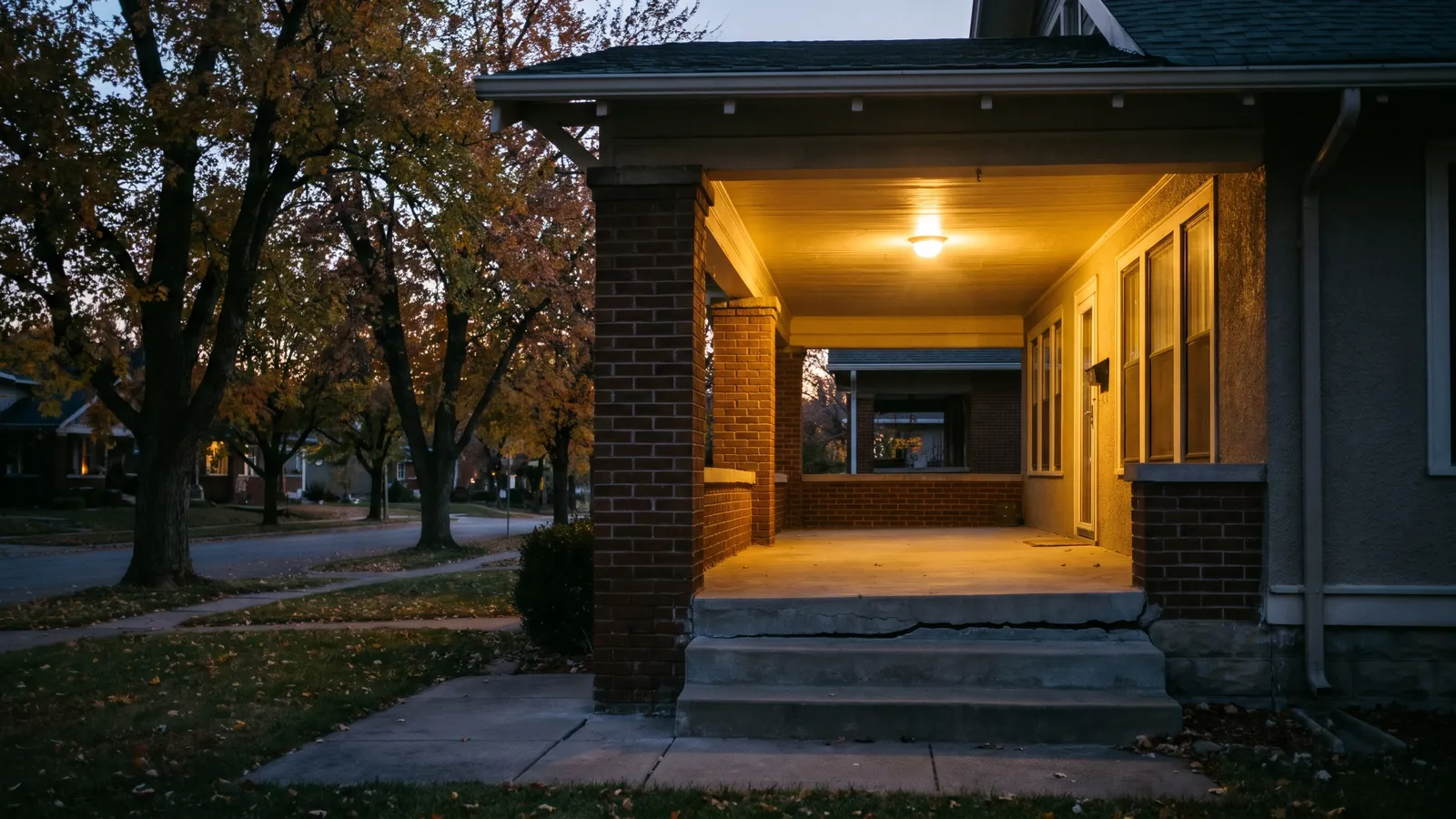
Is the inspection really free?
Yes. We measure, explain and give you a written price for anything we recommend. The only cost we'd ever pass on is an engineer's letter, if you or a lender want one, and we tell you before ordering it.
Are you licensed?
Missouri and Kansas don't license foundation repair at the state level, so no company here has a state foundation licence. What matters is insurance, which our crews carry (general liability and workers' compensation), and the city building permit for structural work, which we pull.
Does insurance pay for foundation repair?
Usually not. Standard homeowners policies generally exclude settlement, earth movement and gradual seepage. Some cover damage from a sudden covered event, like a plumbing leak that washed out soil under a footing. We document what we find; your insurer decides.
How long does a repair take?
Crack injection, a few hours. Carbon fiber straps or a sump pump, a day. Piers on one corner, usually one to three days. A full interior drain system, two to four days. Exterior waterproofing depends on depth and access.
Do I need to move out?
No. Most work happens outside or in the basement, and you can stay in the house. We'll ask you to clear the area along the walls we're working on.
Will you lift my house back to level?
Where it is safe to, part of the way. We lift in small steps while watching for stress on plaster, chimneys and plumbing, and stop where the house tells us to.
What is the difference between push piers and helical piers?
Push piers are driven down using the house's own weight, which suits most homes with basements. Helical piers are screwed in, which suits porches, additions and light structures that aren't heavy enough to push against.
Why does my basement only leak in spring?
March through June brings the heaviest storms, and the clay around the house stays saturated for weeks. In dry summers, clay pulls away from the wall and leaves gaps the next storm uses.
Is a horizontal crack worse than a vertical one?
In a block wall, yes. A horizontal crack means soil pressure is pushing the wall in. A thin vertical crack in a poured wall is often just shrinkage.
Can I sell a house with a foundation repair?
Yes, and a documented repair with a permit and a written scope is usually reassuring to a buyer. Unrepaired, unexplained cracks are what worry people.
Do you do the Kansas side?
Yes: Overland Park, Shawnee, Lenexa, Leawood, Prairie Village, Merriam and the rest of Johnson County close to State Line, plus everything on the Missouri side.
Do you answer the phone at night?
Yes. The line is answered 24/7 by an automated receptionist that takes your details, and the team calls you back. Tell it if water is coming in or a wall has moved, and the callback is prioritized.